
Nails
Whatever the job, this nails range covers the common types from fixing roofing felt to framing and general joinery. You will find clout nails and galvanised clout nails, plus masonry nails for brick and block, in packs and small tubs from brands including Securfix, Securit, Securpak and Challenge.
Bright nails suit dry, indoor carpentry where the finish is not exposed, while galvanised nails carry a zinc coating that stands up better to damp. Round wire nails give a strong hold in softwood, and shorter lengths such as 50mm clout nails are a typical pick for felt and sheet fixing. Oval nails, annular ring nails and cut tacks cover more specialist work.
To choose, match the length to about two and a half times the thickness of the piece you are fixing, and pick galvanised for anything outside. Check the pack weight or count before ordering, because the same nail is sold both by the gram and by the pack of ten.
Filters
193 products










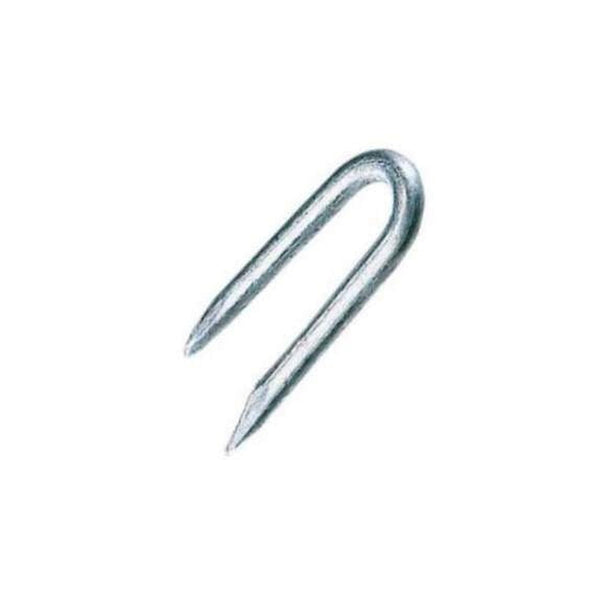


How to choose nails
Pick by material, length and whether the head should show.
| Nail type | Best for | Things to know |
|---|---|---|
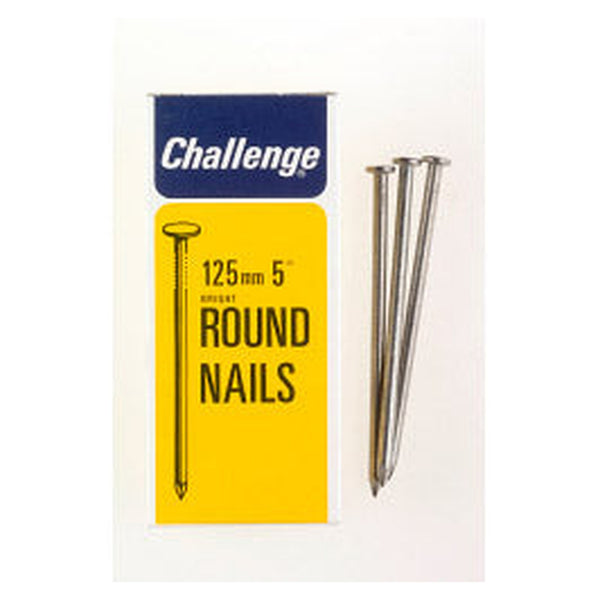
| Round wire nails | General carpentry and framing | Strong but can split thin timber |
| Oval nails | Joinery where the head is hidden | Less likely to split wood |
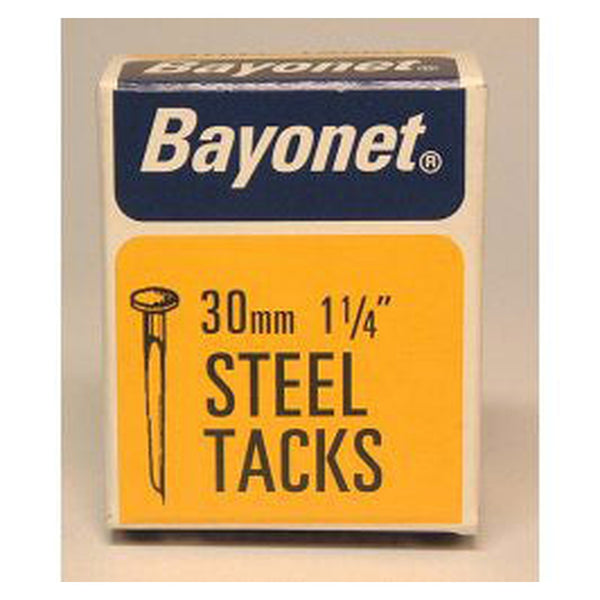
| Panel pins | Mouldings, beading and thin boards | Small heads easy to punch in |
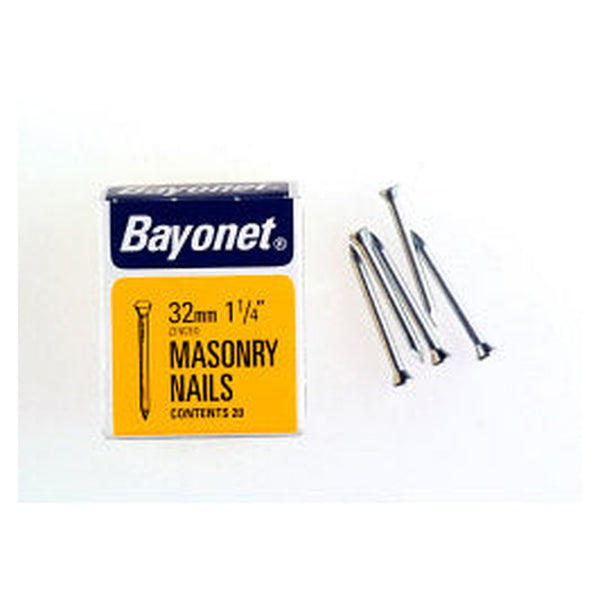
| Masonry nails | Fixing battens into brick or block | Hardened and brittle; wear eye protection |
| Clout nails | Roofing felt and plasterboard | Large flat head holds sheet material |
Nails: frequently asked questions
What are clout nails used for?
Clout nails have a wide, flat head and are used for roofing felt, shed cladding and fixing sheet material. Galvanised versions are the usual choice outdoors.
Are galvanised nails better than bright nails?
Galvanised nails have a zinc coating that resists rust, so they suit fences, sheds and anything exposed to weather. Bright nails are fine for dry interior work.
Can you use masonry nails in brick?
Masonry nails are hardened to be driven into brick, block and mortar, ideally with a hammer in good condition and safety glasses on. They are not meant for very hard or aerated materials.
What length of nail do I need?
A common rule is a nail around two to three times as long as the thickness of the timber being fixed. Lengths such as 50mm suit many general jobs.
What is the difference between round wire nails and oval nails?
Round wire nails have a thick shank and hold well but can split timber. Oval nails are slimmer and are driven with the long side along the grain to reduce splitting.
Buying in bulk or for your business?
Landlords, trades and facilities teams can ask us for a quote on larger quantities.