
Damp & Waterproofing
Damp-proof paints, waterproof sealers, mould treatments and moisture solutions for walls, roofs and basements. Treat the cause of the damp first, then seal and protect the surface.
Filters
159 products











How to choose damp and waterproofing products
Find the cause of the damp first, then choose the treatment.
| Product | Best for | Things to know |
|---|---|---|
| Mould and mildew remover | Black spots on walls, sealant and grout | Ventilate the room and wear gloves |
| Anti-mould paint | Bathrooms, kitchens and cold walls | Treat existing mould before painting |
| Damp-proof paint | Sealing patches of damp on walls | Does not fix the cause of the damp |
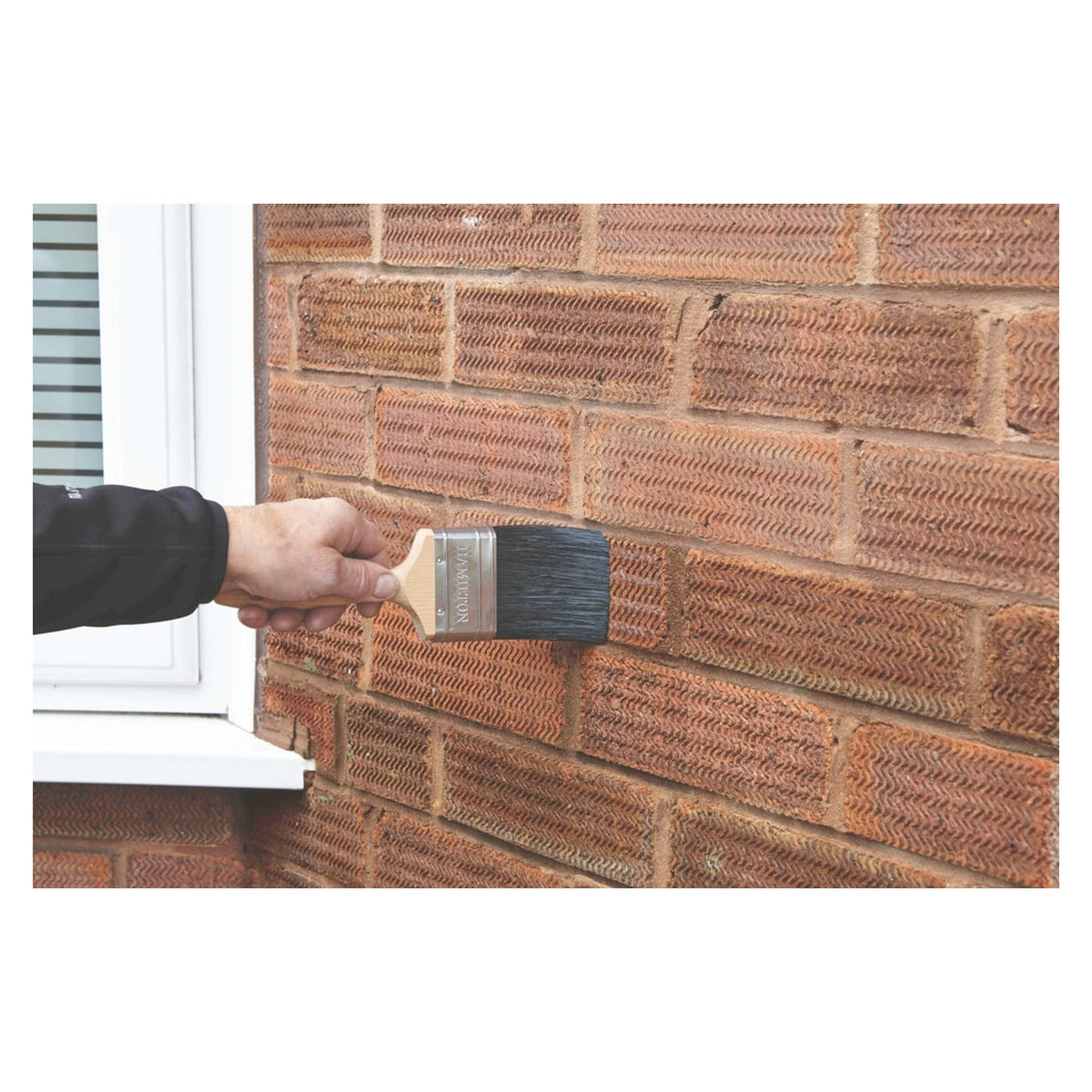
| Masonry waterproofer | Brick and render letting in rain | Usually clear; check it is breathable |
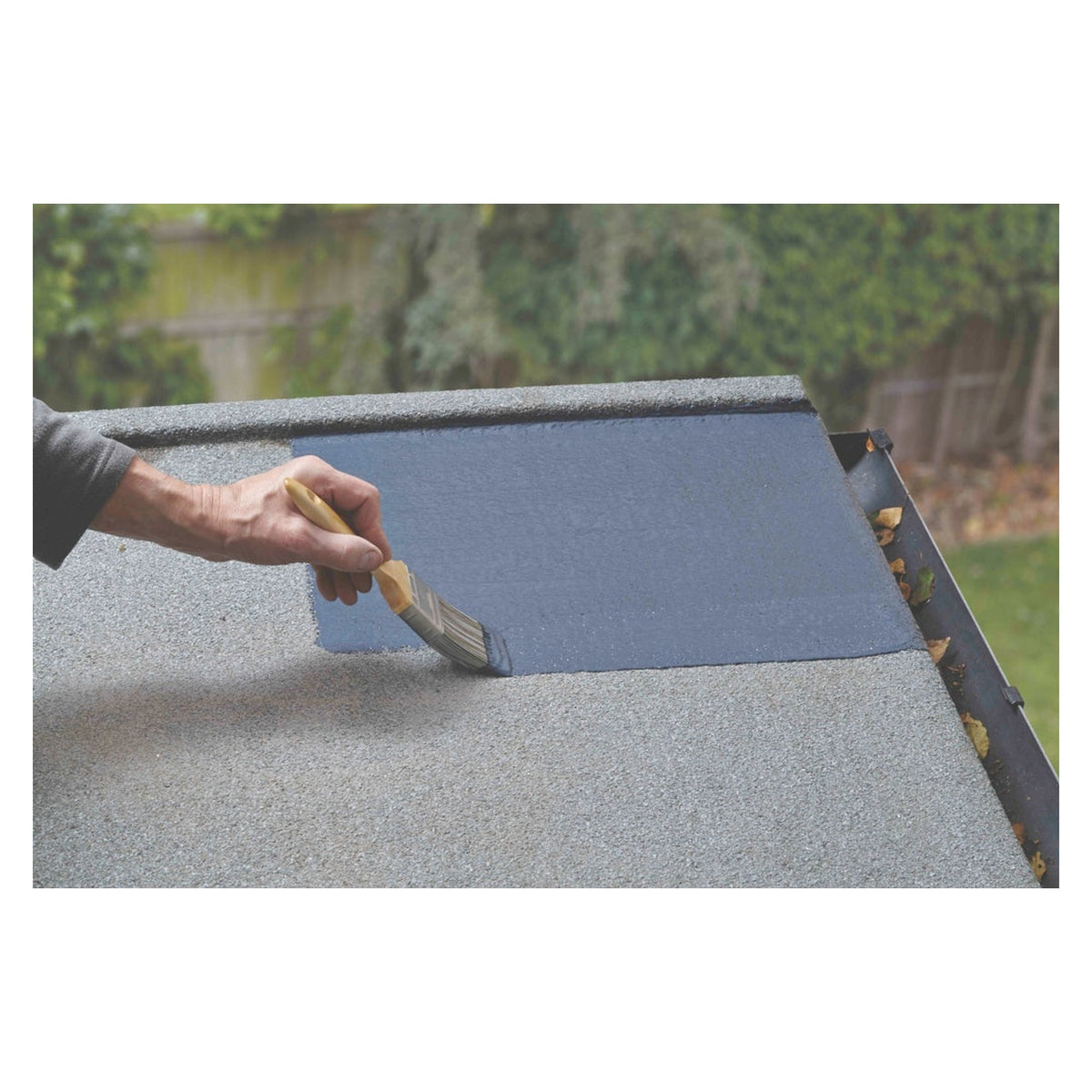
| Roof and gutter sealant | Small leaks in flashing and gutters | Work only from safe, stable access |
Damp & Waterproofing: frequently asked questions
How do I tell condensation from rising damp?
Condensation usually shows as mould on cold walls, window reveals and corners, often worse in winter. Rising damp tends to leave a tide mark low on ground-floor walls. If unsure, get a qualified damp surveyor to inspect.
Will anti-mould paint stop mould coming back?
It helps resist regrowth, but mould returns if the room stays damp. Kill existing mould first, then improve ventilation and heating to reduce condensation.
Can I paint over damp walls?
Not until the wall is dry and the cause is fixed. Paint over a wet wall usually blisters or flakes, and the damp may spread elsewhere.
Does masonry waterproofer let walls breathe?
Many are designed to be breathable, so moisture can escape while rain is repelled. Check the product label, as a non-breathable coating can trap moisture in brickwork.
Buying in bulk or for your business?
Landlords, trades and facilities teams can ask us for a quote on larger quantities.