
Masonry Paint
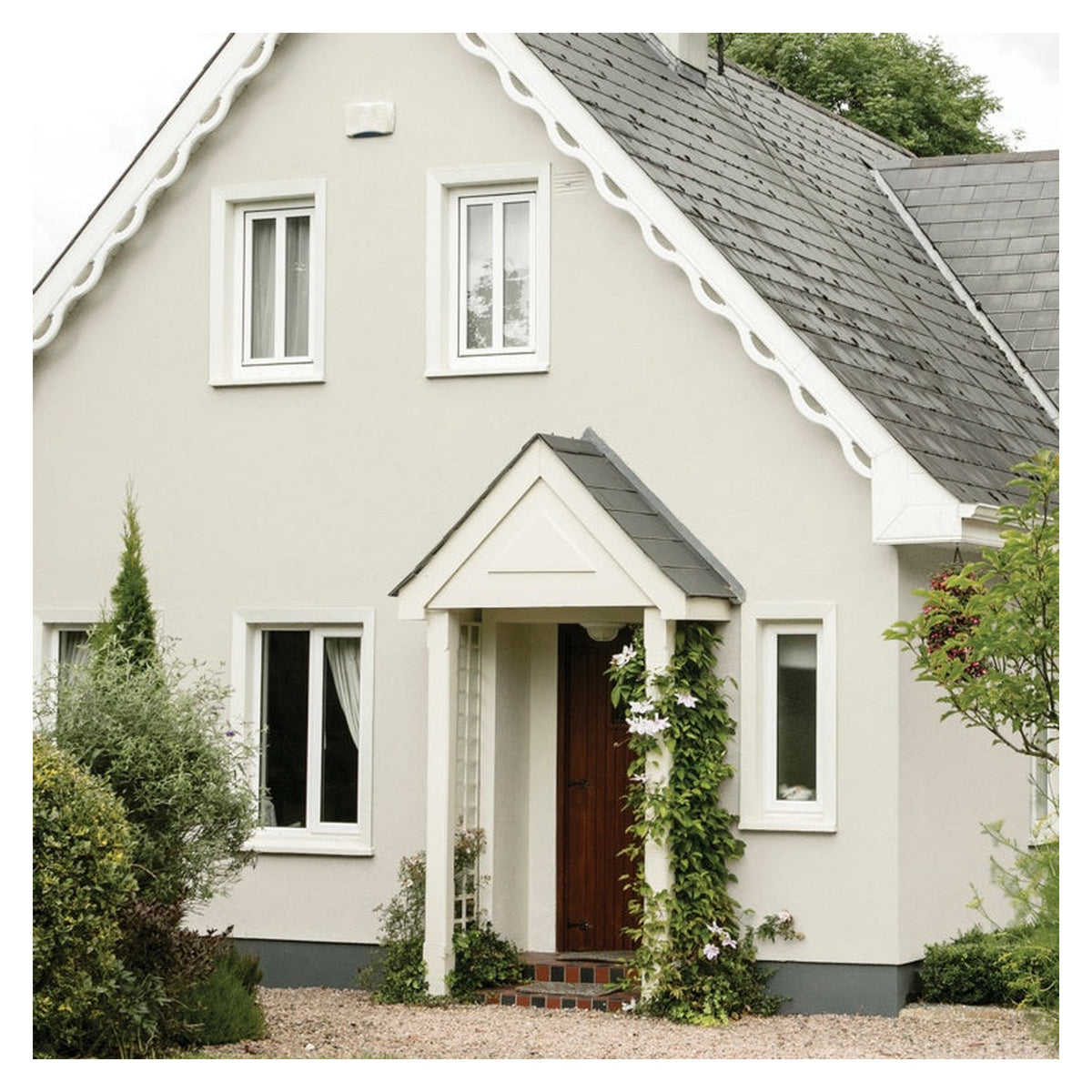
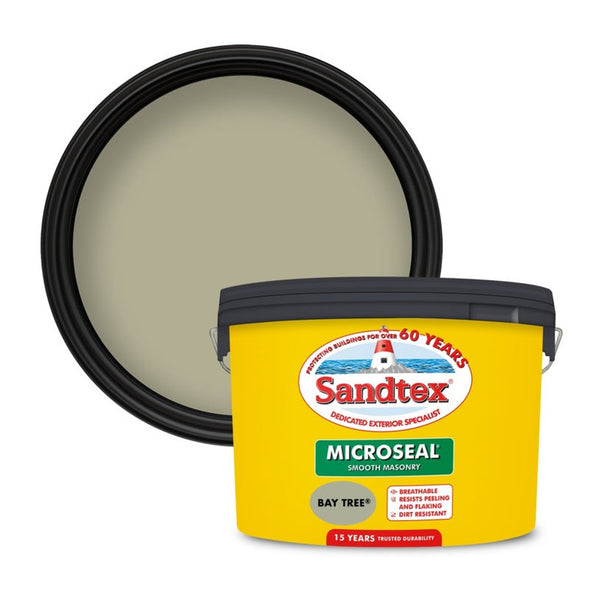
Refresh render, brick, pebbledash and concrete with masonry paint from Sandtex, Bedec, Granocryl, Dulux, Rustins and Leyland Trade. The range includes Sandtex masonry paint, Dulux Weathershield masonry paint, smooth masonry paint and textured masonry paint, mostly in 5L and 10L tins, with colours such as French grey, sea stone, magnolia, cornish cream and old white.
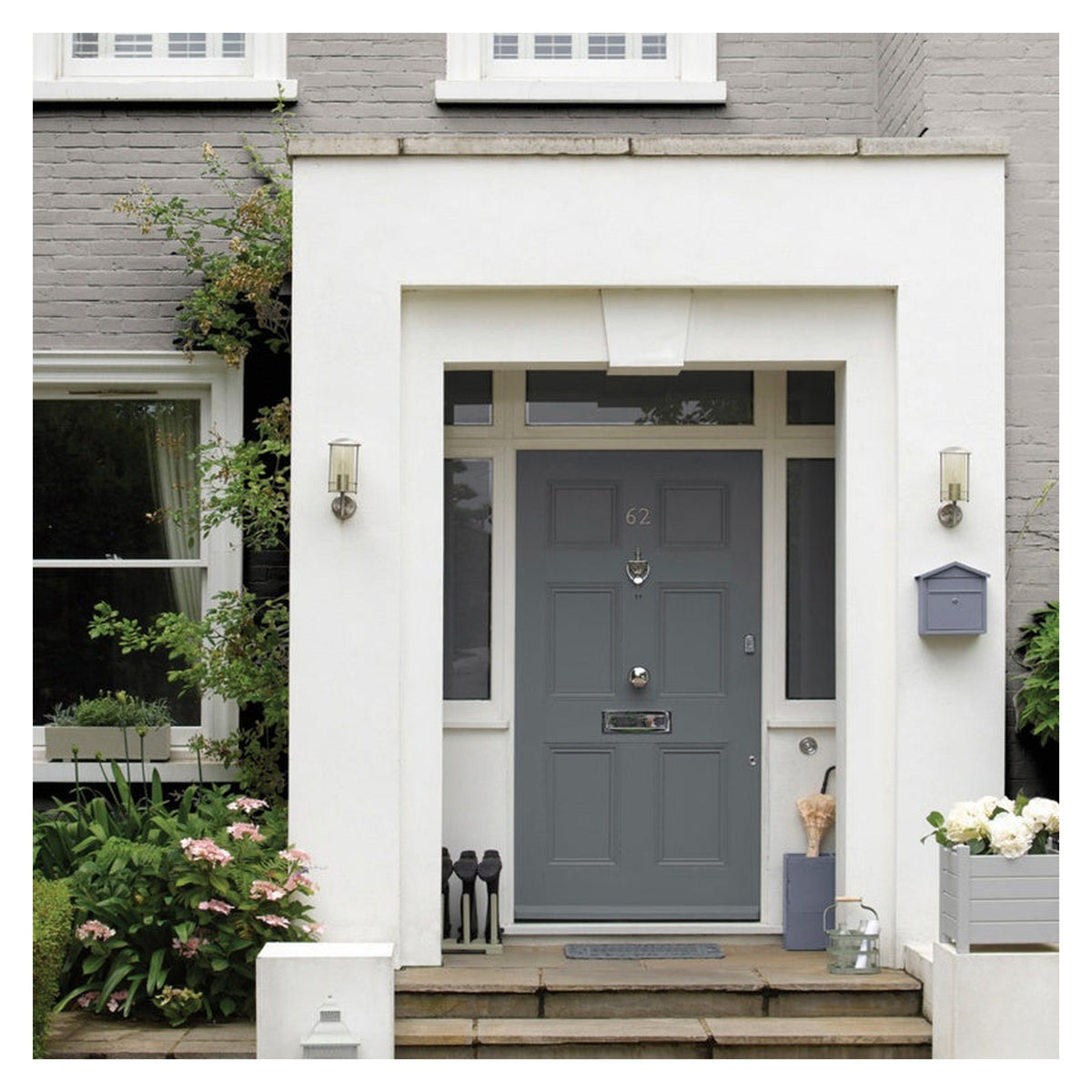
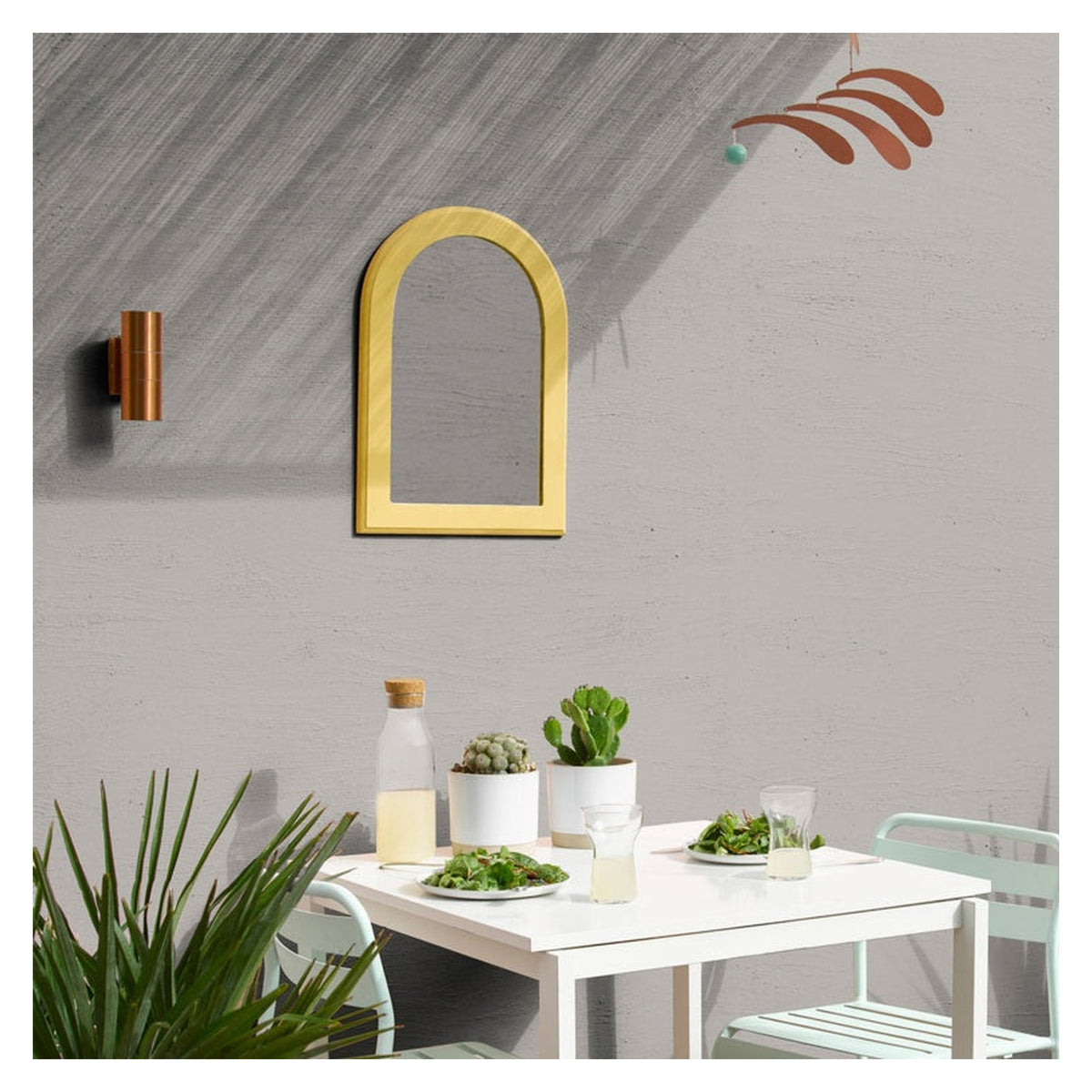
Grey paint is a popular choice for modern exteriors, so you will find grey masonry paint from Sandtex and Granocryl as well as Dulux grey paint options. Weathershield masonry paint is made for UK weather, and Sandtex smooth masonry paint gives a flat, even look on previously painted or rendered walls. Textured masonry paint hides small cracks and uneven surfaces better than a smooth finish.
Prepare walls first by brushing off dirt, treating algae and mould, filling cracks and applying a stabilising primer on chalky or powdery surfaces. Paint in dry, mild weather and apply two coats. As a guide, a 10L tin covers a larger area than a 5L tin, so measure the wall and check the coverage on the label.
Filters
107 products












How to choose masonry paint
Choose by wall surface and how exposed the house is.
| Option | Best for | Things to know |
|---|---|---|
| Smooth masonry paint | Render, brick and pebbledash | Good general choice for most walls |
| Textured masonry paint | Uneven or lightly cracked render | Fills hairline cracks and hides flaws |
| Weatherproof or long-life | Exposed and coastal walls | Check the stated protection period on the tin |
| Stabilising solution | Chalky or powdery surfaces | Apply before painting so paint can grip |
| Anti-mould masonry paint | Shaded or north-facing walls | Clean off growth with a fungicidal wash first |
Masonry Paint: frequently asked questions
How much masonry paint do I need?
Measure the wall area in square metres and divide by the coverage on the tin, then allow for two coats. Rough surfaces use more.
Can I paint masonry in cold weather?
Follow the label for the minimum temperature, and avoid painting in damp, frosty or rainy conditions.
What is the difference between smooth and textured masonry paint?
Smooth gives a flat, even finish, while textured contains fine particles that build thickness and hide small imperfections.
Do I need to seal masonry before painting?
Chalky or very porous walls usually need a stabilising primer or sealer first. Check the product instructions.
How long does masonry paint last?
This varies with product, prep and weather exposure. Look for the stated protection period on each tin.
Buying in bulk or for your business?
Landlords, trades and facilities teams can ask us for a quote on larger quantities.